nabi— Building a Behavior-Driven Platform for Kids
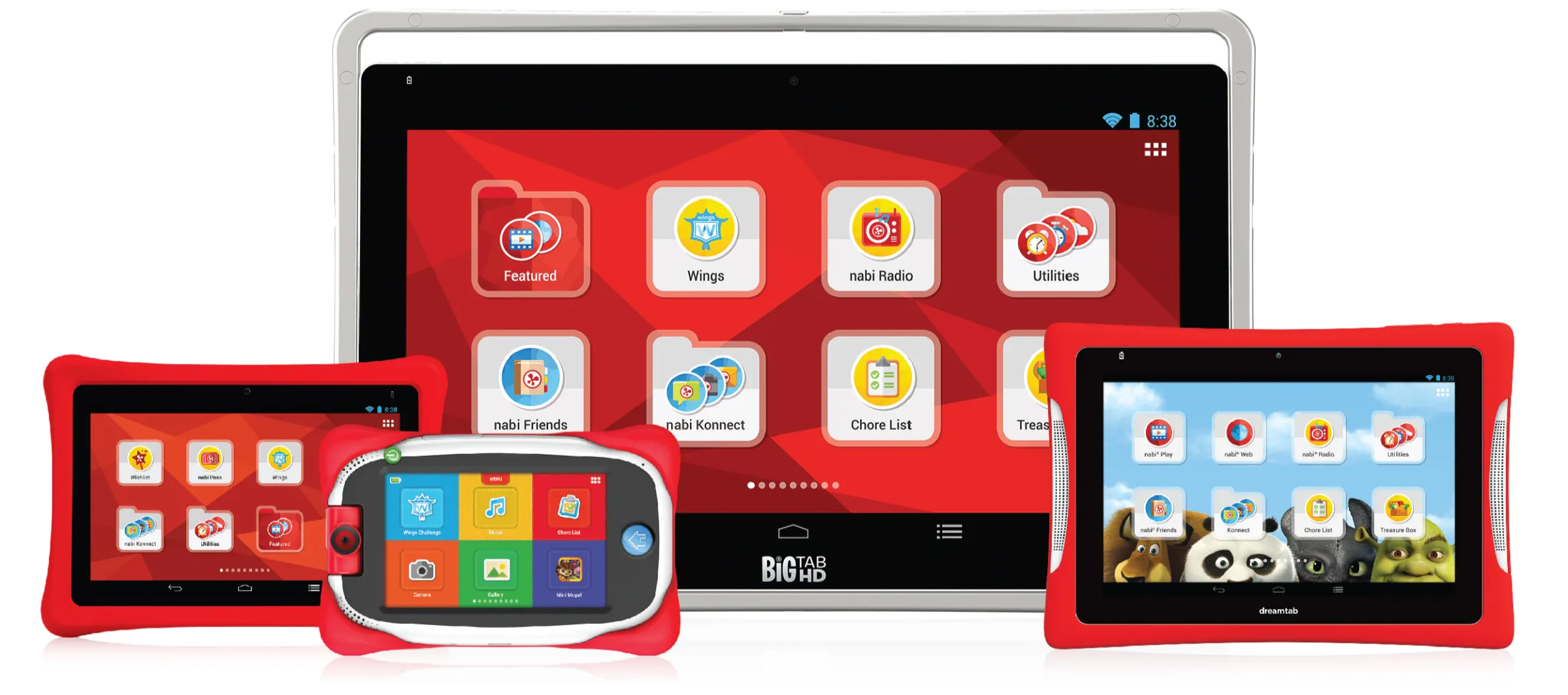
We didn’t build a tablet.
We built a system that reshaped how kids earn screen time.
THE PROBLEM
Around 2012-2013, screens had become a default part of childhood.
But they were physically fragile, and the content was largely unmanaged by parents.
Parents had two options:
Limit screen time
Or give in to it
Neither worked.
We saw an opportunity to redesign the system entirely.
THE IDEA
Instead of building just another device, we built a connected platform across hardware, content, incentives, and control.
A system designed not just to deliver experiences— but to shape behavior.


the system
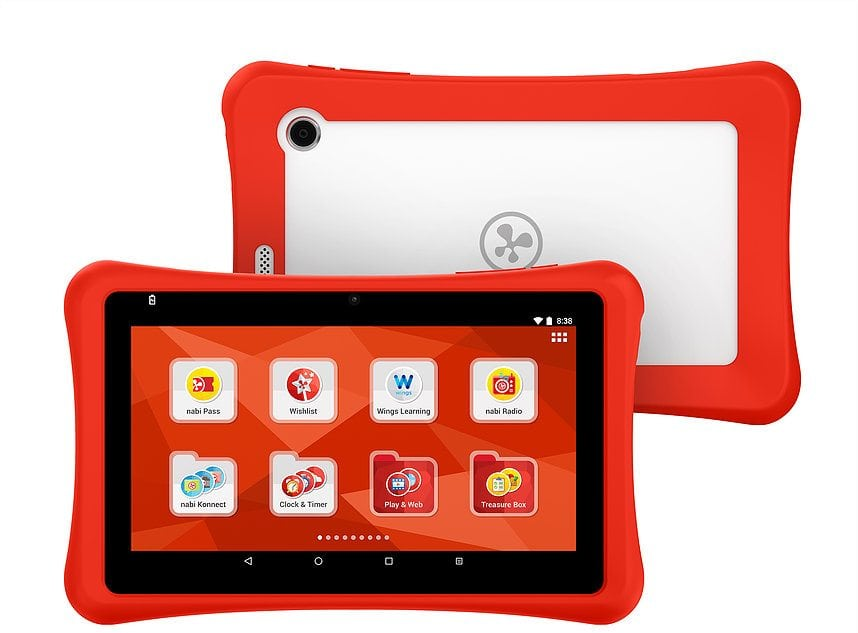
1. THE CONTROL HUB
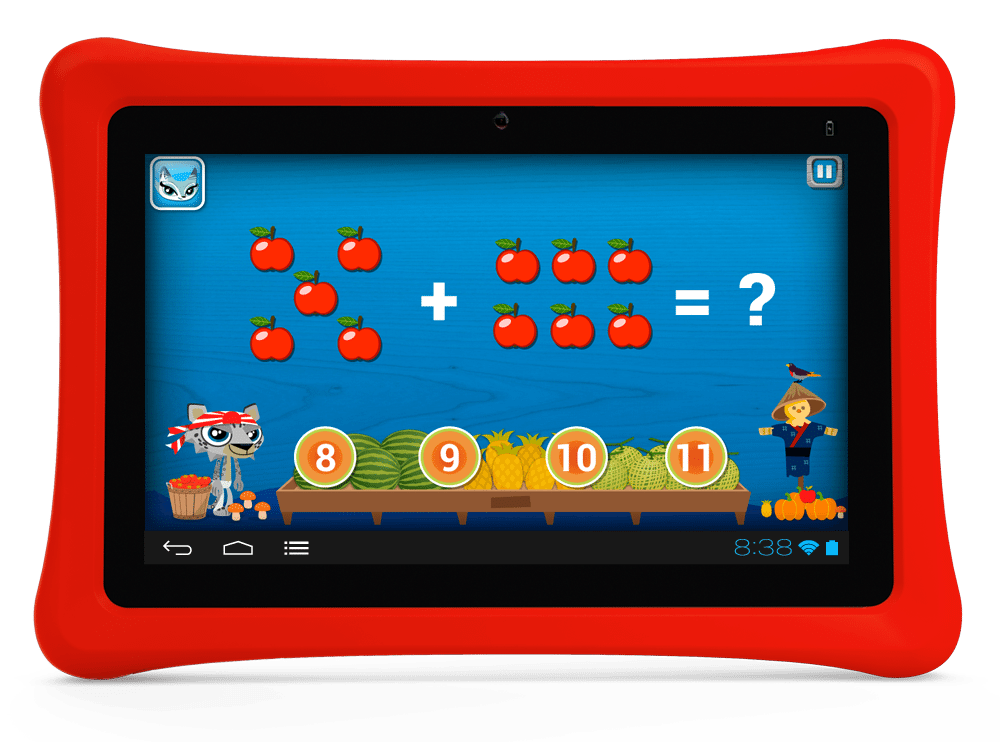
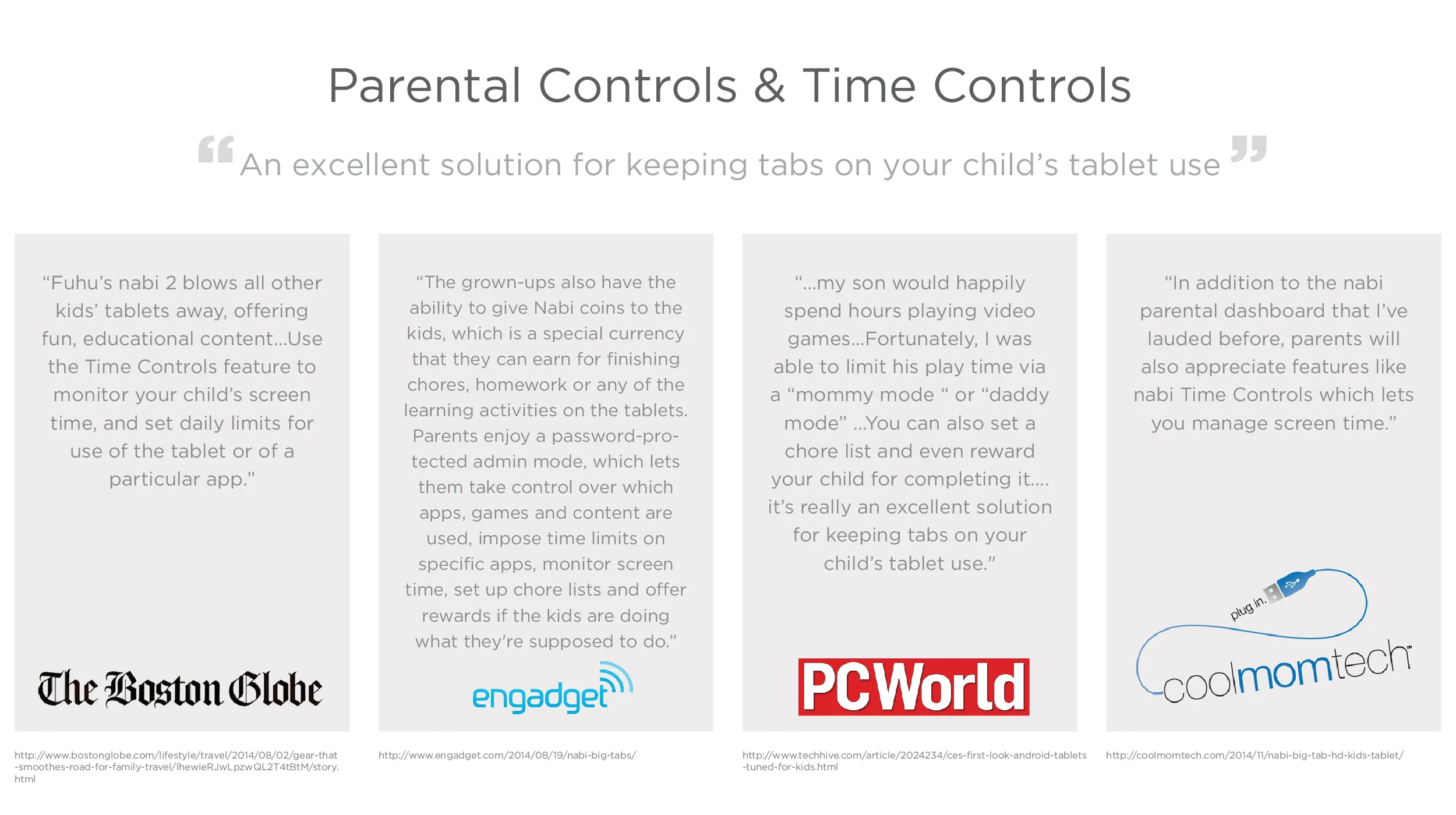
We weren’t selling a tablet with giant foam bumpers on it (side note: this was an industry first), we were selling control —without taking the device away.
Every interaction, reward, and limit flowed through it.
Blue Morpho was a proprietary dual-mode OS android overlay that allowed kids freedom within boundaries—and parents complete control when needed.
3. THE REAL-WORLD TRIGGER
Screen time became something kids could earn.
Instead of limiting access, we connected it to behavior—learning, movement, and real-world activity.
2. THE CONTENT LAYER
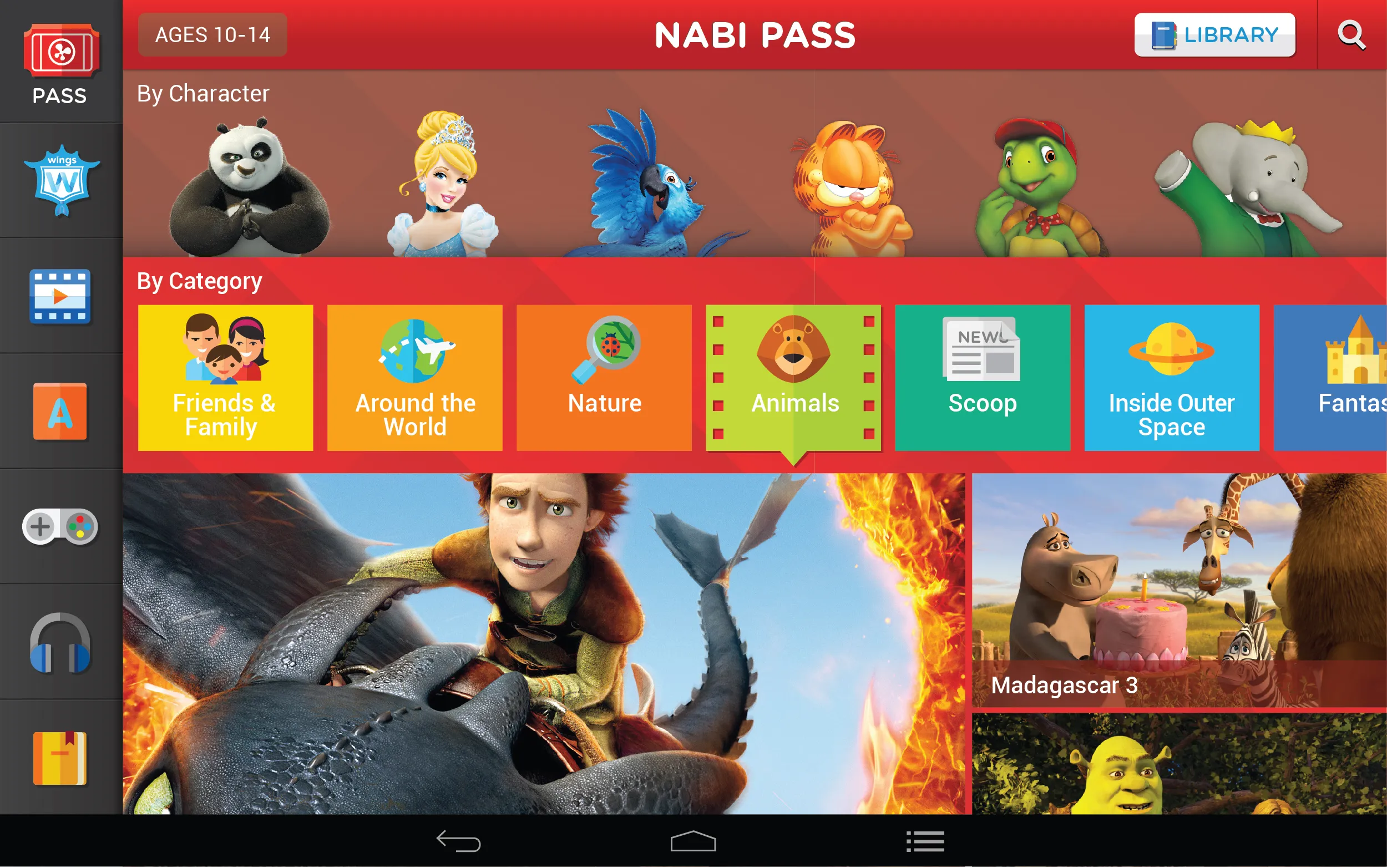
Content wasn’t open— it was curated.
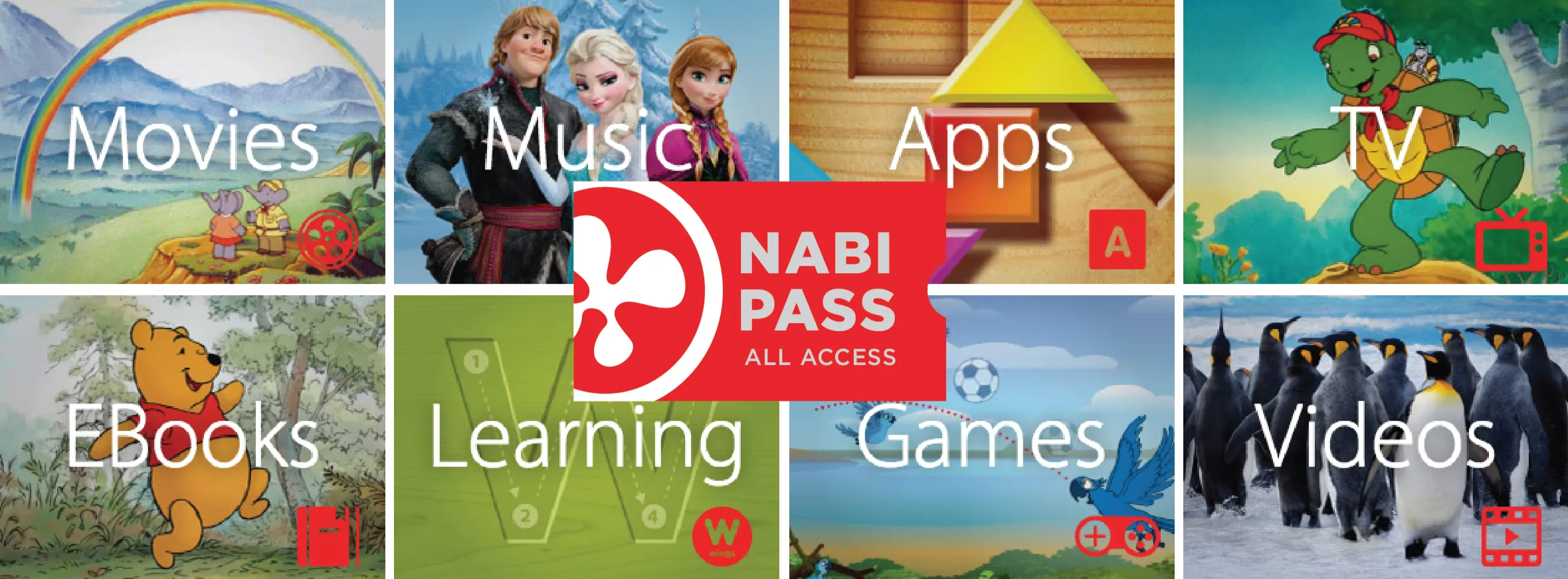
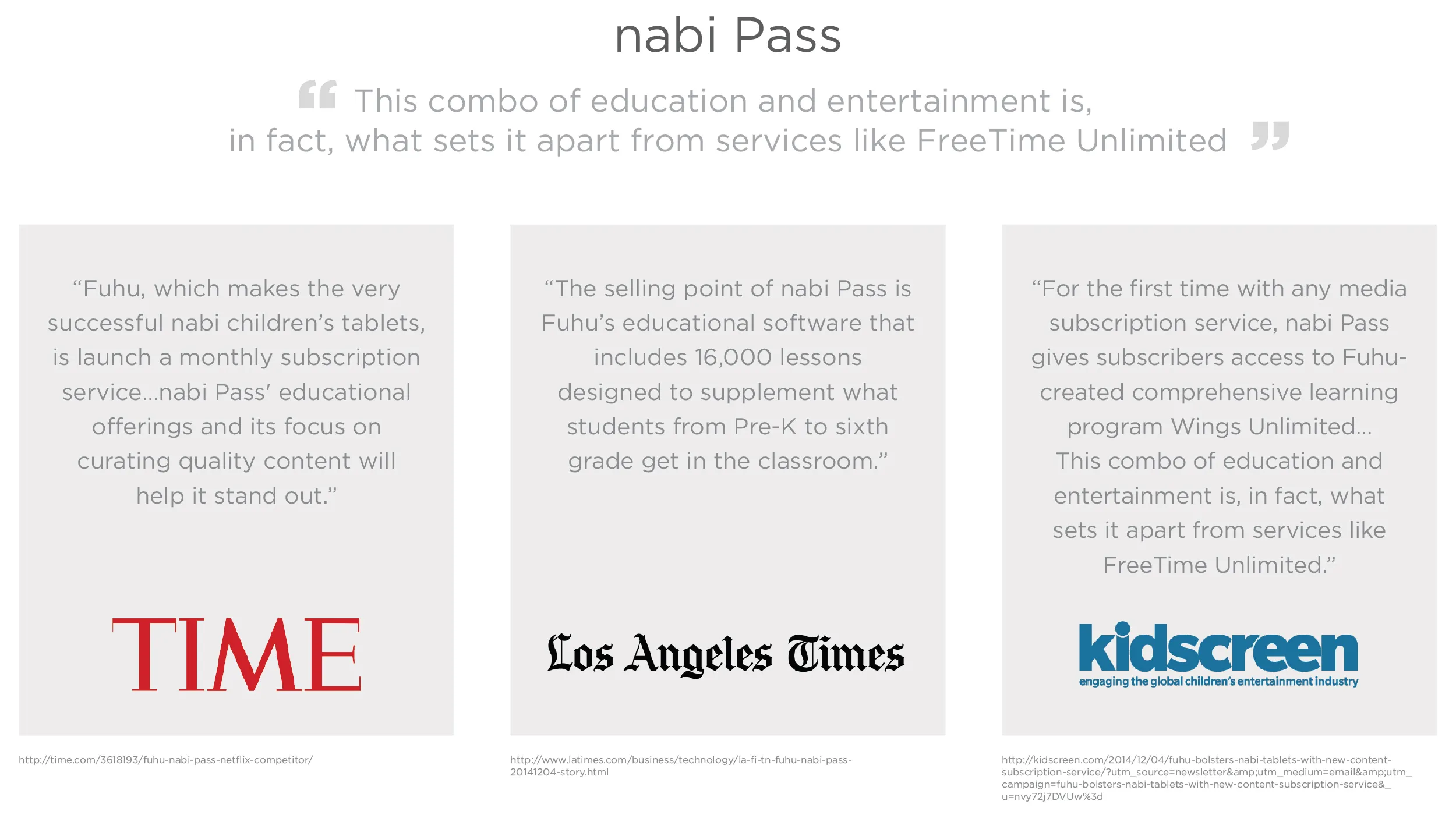
A subscription layer delivered games, apps, music, and video designed specifically for kids—safe, purposeful, and built to reinforce better habits—not endless scrolling.
It also became a recurring revenue engine at the center of the platform.
Kids earned nabi Coins through:
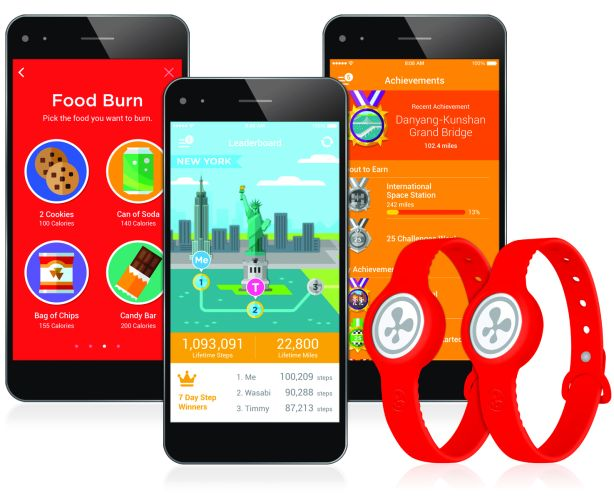
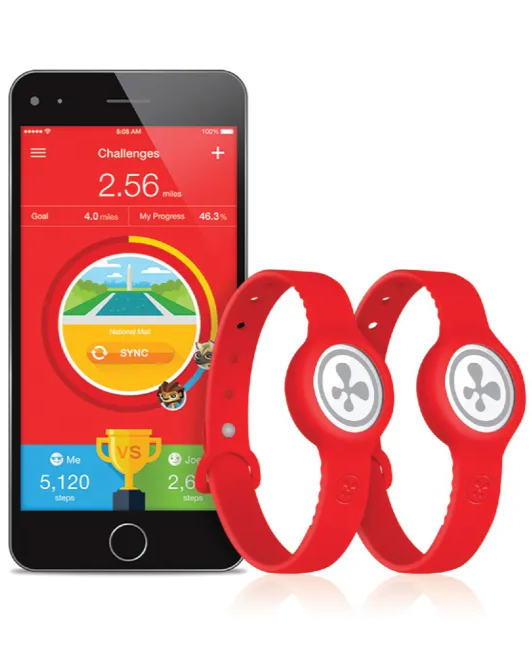
• nabi Wings Challenge, an adaptive learning system aligned with Common Core State Standards across math, reading, and writing
• and nabi Compete, our wearable that tracked physical activity
Those rewards could then be redeemed for:
• screen time
• game downloads
• merchandise across the nabi ecosystem
4. THE ECONOMY
We introduced a system kids already understand:
earn → save → spend
Parents could reward chores, learning, or activity.
Kids could use those rewards across the platform.
earn
save
spend
5. THE GOVERNANCE LAYER
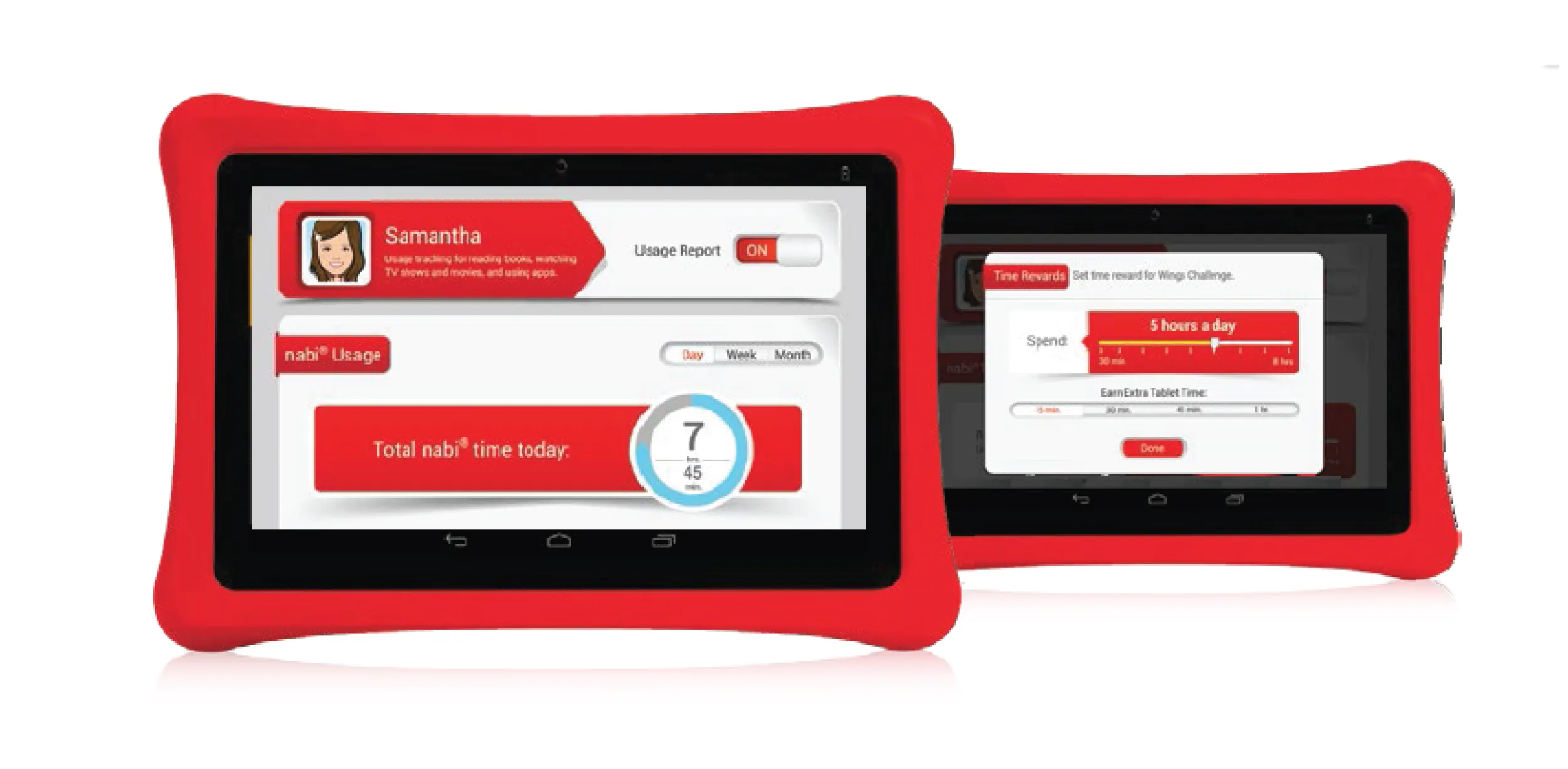
Parents didn’t just monitor—they controlled the system.
Usage, content, rewards, and limits all lived in one place.
For the first time, screen time became something parents could actively shape.
the loop
Just in case it wasn’t already clear, here is how it all worked.
Screen time wasn’t given, or taken away.
It was earned, and when it ran it out, more could be earned.
The nabi ecosystem was our answer to the Apple iPad problem—a closed loop where kids could make healthy choices like time in a learning app, or real world activity to unlock what they could do on the screen. Parents could relax knowing that screen time controlled, balanced and curated.
Learn →
→ Move →
→Earn →
→ Play →
→Repeat→